
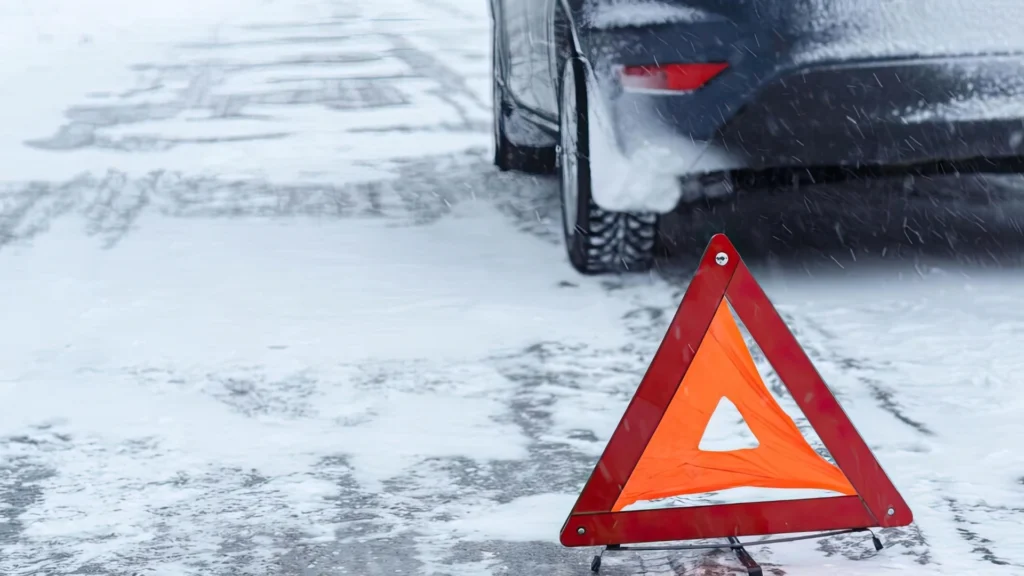
Winter Car Trouble in Buffalo: How Professional Towing Services Keep Drivers Safe
When that first heavy lake-effect wall rolls off Lake Erie and drops three feet of snow on the Southtowns in a matter of hours, Buffalo drivers know exactly what’s coming. You’re trying to get home from work, visibility drops to ten feet on the Thruway, and suddenly your tires lose traction.
Before you know it, you’re sitting sideways in a drift, listening to the wind howl. It’s a helpless feeling that every Western New Yorker faces at some point. That’s exactly when reliable towing services in Buffalo, NY, become less of a convenience and more of a literal lifeline.
Every winter, we see the same pattern repeat itself across Erie County. Drivers assume their all-season tires can handle a sudden ice glaze on the Skyway, or they ignore a slow crank on a freezing morning because they’re running late for work. When those bad decisions catch up to you, relying on established towing services is the safest way to get your vehicle off the road.
At All Pro Mobile Mechanics, we know that a quick response isn’t about beating the competition; it’s about getting someone out of the biting cold before hypothermia becomes a real threat.
Why Winter Breakdowns Happen: Under the Hood
Winter driving trouble isn’t always caused by a visible snowbank or a patch of black ice. Often, the damage occurs subtly right under your hood before you even back out of the driveway. Freezing temperatures cause rubber belts to become brittle and lose their flexibility, making them prone to snapping under sudden tension.
- Battery Power Drain: Batteries lose up to sixty percent of their cranking power when the temperature hits zero degrees, turning a normal morning routine into an immediate headache.
- Coolant and Fluid Gelling: If your coolant ratio is off, that mix turns to slush right inside your radiator, blocking the block and overheating your motor while you are stuck shivering in a whiteout.
- Frozen Assemblies: When slush sloshes into the brake assemblies during the day and freezes solid overnight, your wheels can lock up completely. Forcing the vehicle to move against frozen brakes can tear the friction material right off the pads or damage expensive anti-lock braking system sensors.
These mechanical failures are particularly dangerous because they often trick drivers into a false sense of security. You think your vehicle is running fine because the heater is pumping out warm air, but then a hose bursts or a serpentine belt shreds, and you are instantly stranded without power on an unlit road.
The Danger of DIY Ditch Pulls
Here’s the thing about Buffalo winters: they bring out a lot of good neighbors, but they also invite a lot of bad decisions. We’ve all seen it happen during a bad blow. A well-meaning guy in a heavy-duty pickup truck offers to pull your sedan out of a deep snowbank with a rusty chain or a cheap Walmart strap he keeps in his truck bed.
This can create serious safety and liability risks. I’ve seen car frames bent, bumpers completely torn off, and snapped chains fly straight through windshields because someone tried a DIY extraction without the right anchor points or recovery gear. It’s not worth the risk to save a few bucks.
A professional tow truck near Buffalo, NY, uses rated winches, proper recovery straps, and flatbeds designed to pull a vehicle out safely without destroying the suspension. A guy with a hitch has zero commercial insurance or training to handle a frozen-solid recovery, leaving you holding the bag when something inevitably cracks or snaps.
We got a call last January from a driver who’d slid off Route 20 near Eden and spent fifteen minutes trying to rock herself free before the front end packed in with ice. Our crew used a flatbed instead of a straight pull, since a winch alone risked her control arm at that angle.
Twenty minutes later, she was back on the road with no extra damage. It’s the kind of call that goes a lot worse if you wait until the tire’s buried past the rim.
When to Call Roadside Assistance: Decision Triggers
A common mistake we notice among winter drivers is the tendency to wait too long before calling for support. When a driver gets stuck or experiences a minor mechanical glitch, they often spend an hour or two trying to rock the car back and forth, burning through fuel, wearing down the transmission clutches, and draining the battery in the process.
By the time they realize they aren’t getting out on their own, the vehicle is out of gas, the cabin temperature has dropped dramatically, and the snow accumulation has doubled around the tires.
Pro Tip: If your vehicle hasn’t moved after two controlled rocking attempts or if your dashboard lights begin flashing, turn off the engine and call for dispatch immediately.
Waiting also puts you at the back of the queue during a major winter weather event. When a storm hits Western New York, call volumes spike rapidly across the region. Acting early ensures your location is logged into our dispatch system before the heavy snow makes travel slow and dangerous for recovery vehicles.
Taking action the moment you realize you’re stuck keeps your wait times manageable and prevents a minor traction issue from turning into an overnight stay on the shoulder of an active highway.
What Professionals Do Differently
When you call for an emergency towing service in Buffalo, NY, you aren’t just getting a ride for your broken-down car. You’re getting an experienced set of eyes to diagnose whether you need a quick jump, a temporary tire swap, or a full flatbed tow to a warm shop.
Mechanical Vulnerabilities Unique to Sub-Zero Weather
When temperatures slide into the single digits, the engine oil inside your oil pan thickens considerably, transforming into a sludge-like consistency that flows slowly through internal channels. Your motor runs completely dry for those first few brutal cranks, grinding down your bearings and pistons before the fluid can even move.
Suspension systems suffer just as heavily under these extreme thermal shocks. The hydraulic fluid inside your struts and shocks gets thick and sluggish, reducing their ability to dampen impacts cleanly. Hitting a deep Buffalo pothole that’s concealed under a fresh layer of slush can instantly blow out a cold strut seal or snap a brittle coil spring.
These aren’t the types of breakdowns you can resolve with a basic tool kit on the roadside; they require specialized flatbeds that can winch a car with collapsed suspension without dragging the undercarriage raw across the pavement. Our crews know how to break that ice loose right there on the road without torching your lines or cracking frozen metal with boiling hot water.
Pre-Winter Prevention Checklist
Most drivers don’t think about a towing company until they’re staring at a smoking radiator or a buried axle. Taking a few minutes to vet a local provider before the winter weather settles in eliminates that fear of making a costly mistake when you’re stressed out on the side of the road. Look for someone who knows Buffalo roads, carries full commercial insurance, and treats you like a neighbor rather than an invoice number.
To minimize your chances of needing an emergency roadside rescue, ensure your vehicle undergoes a dedicated cold-weather inspection before the heavy lake-effect snow hits Erie County:
- Battery Load Test: Verifies if your battery can handle starting a vehicle at zero degrees.
- Coolant Freeze-Point Inspection: Ensures your antifreeze ratio won’t freeze into engine-destroying slush.
- Belt and Hose Flexibility Check: Catches brittle rubber components before they snap under winter tension.
- Tire and Oil Assessment: Verifies winter-weight oil flow and confirms adequate tread depth for slick surfaces.
Frequently Asked Questions
- What’s the first thing I should do if I’m stuck in a snowdrift?
Stay inside the vehicle with your hazard lights running so plows and passing drivers can see you. Check that snow hasn’t piled up around your exhaust pipe — a blocked tailpipe can send carbon monoxide back into the cabin while the engine idles. Once you’ve confirmed the exhaust is clear, call for help rather than waiting to see if conditions improve on their own.
- Is it safe to let a pickup truck pull my car out?
We’d steer you away from it. Most pickups aren’t set up with rated tow points, proper winches, or recovery-grade straps, and a failed attempt can bend a frame or rip a bumper clean off. Licensed towing services in Buffalo, NY, carry commercial insurance and equipment built specifically for safe extractions, which protects both your vehicle and the person doing the pulling.
- How badly does extreme cold affect my battery and fluids?
A hard freeze can knock out more than half your battery’s starting power almost overnight. Engine oil also turns sluggish in those temperatures, so it takes longer to reach moving parts, and your engine runs drier than it should during that first start. If your coolant mix is weak, it can thicken or freeze inside the radiator, which is a fast track to an overheated engine.
- Why do tow operators prefer flatbeds in winter?
A flatbed lifts your car completely off the pavement instead of towing it behind on wheels that may already be locked from frozen brakes. That matters most when a suspension part has already failed from hitting a hidden pothole, since dragging would only add damage. It’s simply the more controlled option once the roads turn to ice.
- How do I know if my brakes have frozen overnight?
A telltale sign is the engine revving normally while the car barely creeps forward, or the vehicle pulling hard to one side as you try to pull out of the driveway. That usually points to a caliper or parking brake cable frozen solid from slush that refroze overnight. Pushing through it risks tearing the brake pads or damaging the ABS sensors.
- How long should I try to get unstuck before calling for a tow?
If a few minutes of careful effort haven’t freed the car, it’s time to stop and call. Continuing to spin the tires burns fuel, stresses the transmission, and drains a battery that’s already working harder in the cold. Calling early also gets you logged into dispatch before a storm backs up every towing service in the region with requests.
- What should I get checked before winter sets in?
A quick pre-season visit should cover a battery load test, a coolant freeze-point check, and a look at your belts and hoses for cracking. Add a tire tread inspection and an oil change to winter-weight oil, and you’ve covered the most common reasons people end up needing a tow in the first place.
Stuck in a Blizzard? Call the Pros
When the next big freeze hits Western New York, don’t leave your safety to chance or rely on an unequipped amateur who happens to pass by with a tow strap. Keeping a trusted local contact ready gives you genuine peace of mind when the weather turns ugly and the roads get slick.
For fast, honest flatbed towing and snow roadside assistance in Buffalo, NY, All Pro Mobile Mechanics provides a dependable 30-to-60-minute response across metro Buffalo and Erie County. Save our number, track the weather alerts, and let the professionals handle the heavy lifting.